International Day of Clean Air for blue skies: Education for a Cleaner and More Sustainable Future
Every year on 7 September, the world marks the International Day of Clean Air for blue skies, established by the United Nations General Assembly in 2019 to raise awareness and encourage action to improve air quality. First observed in 2020, the Day brings together governments, organizations, researchers and communities around a shared goal: clean air for all.
In 2026, the observance highlights the strong connection between clean air, climate action, public health and economic prosperity. UNEP and the Climate and Clean Air Coalition are drawing attention to evidence showing that coordinated action on air pollution and climate change can deliver significant benefits for people, economies and the planet.
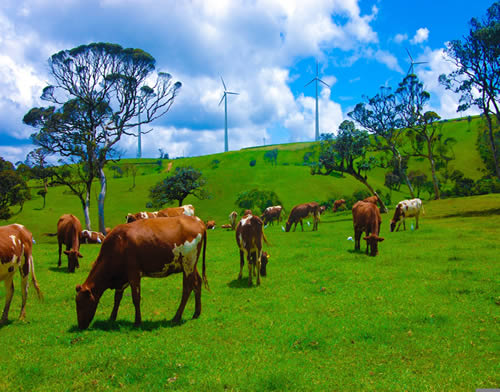
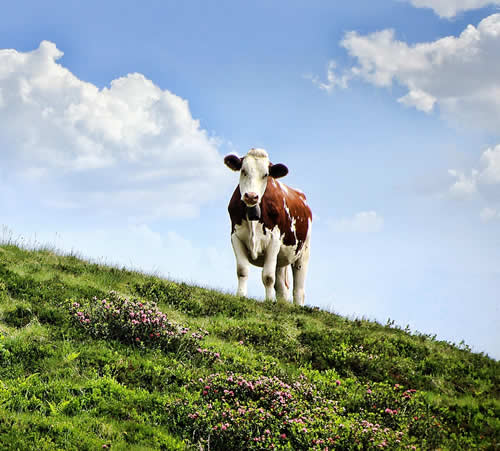
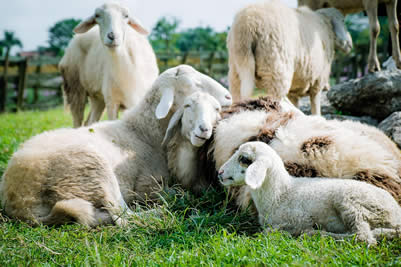
Agriculture and livestock production have an important role in this challenge. According to FAO, agriculture contributes around 40% of anthropogenic methane emissions, with livestock systems accounting for approximately 32%. Enteric fermentation in ruminants is a major source of methane, while manure management also contributes to greenhouse gas emissions, including nitrous oxide.
This is where E-CarboN – European Clean Air Ruminant contributes.
Through education, innovation and international cooperation, the E-CarboN project is developing a comprehensive higher-education curriculum focused on innovative strategies for mitigating methane and nitrous oxide emissions from ruminants while supporting sustainable livestock production. The project combines scientific knowledge with digital learning, practical approaches and emerging technologies to prepare students, academics and future professionals for the transition towards climate-smart livestock systems.
On the International Day of Clean Air for blue skies, E-CarboN joins the global call for cleaner air and climate action.
Because cleaner air begins with knowledge — and knowledge creates change.
The E-CarboN Project Team